

Let’s be honest: for decades, the common wisdom has been that sports cars are “garage queens.” We have all been conditioned to believe that if you want speed, handling, and that What Is the Most Reliable Sports Car? The Answer Might Shock You head-turning aesthetic, you have to pay the price at the repair shop. The stereotype is that these machines spend more time on a lift than on the open road, bleeding your wallet dry with constant maintenance.
But here is the truth that might shock you: That myth is officially dead.
Modern engineering, data from over 312 million vehicles, and independent studies from organizations like Consumer Reports, J.D. Power, and iSeeCars have confirmed that some of the fastest cars on the planet are also the most dependable. Whether you are looking for a track-day weapon or a reliable daily driver, the automotive industry has quietly produced a handful of “bulletproof” sports cars that refuse to break down.
We have crunched the numbers on long-term ownership costs, warranty repairs, and mechanical durability to bring you the definitive ranking of the most reliable sports cars you can buy right now.
What Does “Reliable” Really Mean for a Sports Car?
Before we name names, we need to define the rules of engagement. In the context of high-performance vehicles, reliability isn’t just about “not breaking.” It is about mechanical simplicity, proven powertrains, and low maintenance costs.
According to the J.D. Power 2026 Vehicle Dependability Study, the industry average for problems per 100 vehicles (PP100) has actually worsened recently, hitting 204 PP100—the worst result since the study was redesigned in 2022. However, here is the silver lining: the issues aren’t coming from engines or gearboxes anymore. They are coming from touchscreens, phone connectivity, and buggy software updates. Mechanically, modern cars are in great shape.
What to Look For:
- Proven Engines: Naturally aspirated engines (without turbos or complex hybrid systems) tend to last longer.
- Factory Warranty: Look for brands offering 5-year/60,000-mile bumper-to-bumper coverage.
- Low PP100 Scores: Aim for brands scoring below 150 problems per 100 vehicles.
The Top 5 Most Reliable Sports Cars
We have analyzed data from J.D. Power Quality & Reliability scores, Consumer Reports, and iSeeCars longevity analysis to bring you the absolute best options.
1. The Surprising Champion: Mazda MX-5 Miata
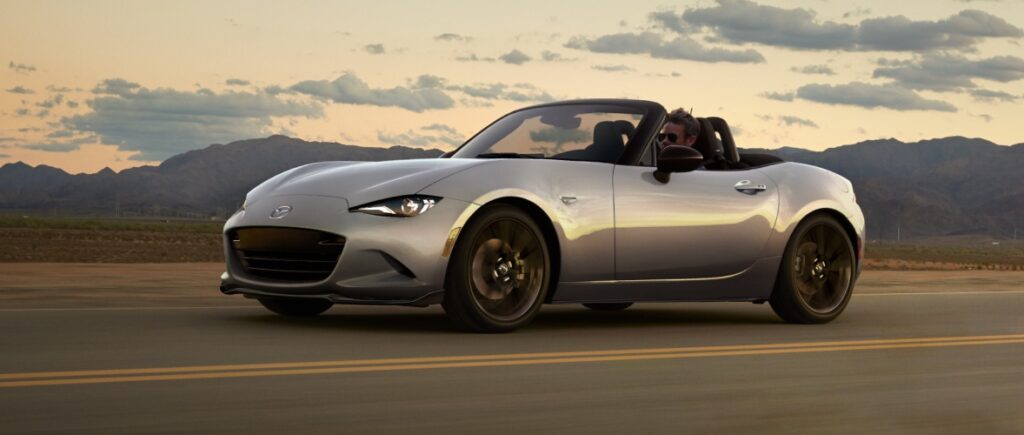
iSeeCars Reliability Score: 8.9 / 10 | Starting Price: ~$29,530
If you ask anyone in the automotive data science field, the answer is unanimous. The Mazda MX-5 Miata isn’t just “reliable for a sports car”—it is one of the most reliable vehicles on the road, period.
According to iSeeCars, which analyzed over 312 million vehicles, the Miata holds the highest reliability score in the sports car segment. Why? It comes down to simplicity. The Miata uses a naturally aspirated four-cylinder engine that has been refined for decades, a manual convertible roof (one less motor to break), and a chassis focused purely on driving dynamics rather than gimmicks.
*”The MX-5 is expertly assembled and can be described as the world’s most reliable sports car with low maintenance costs.”* — The Car Guide.
2. The American Icon: Chevrolet Corvette
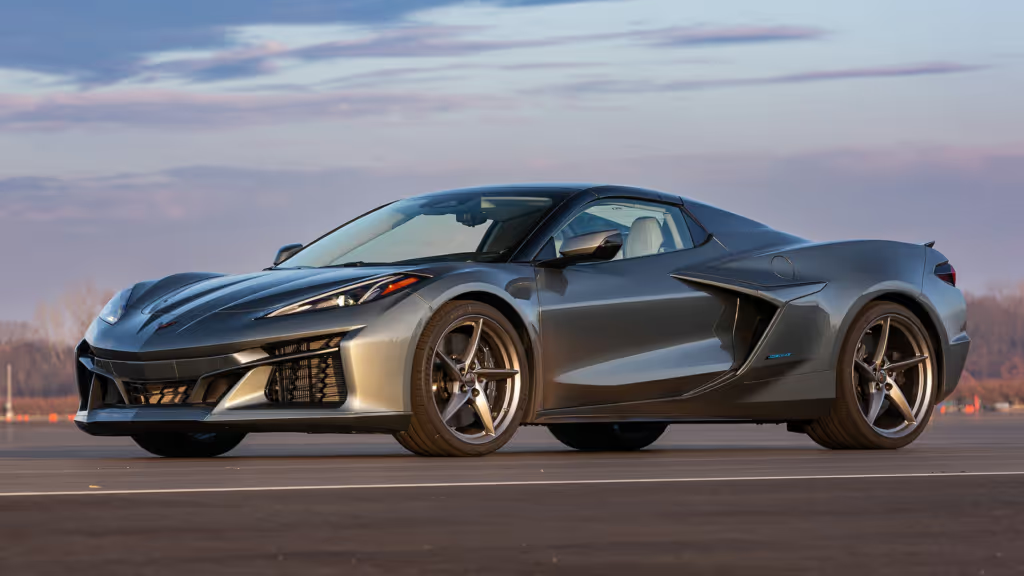
J.D. Power Q&R: 89/100 (2026) | Engine: 6.2L V8
Here is the shocker for the muscle car purists: The Chevy Corvette is a reliability powerhouse. For years, domestic performance cars suffered from poor build quality, but the C8 generation has flipped the script entirely.
The C8 won the Premium Sporty Car category in J.D. Power’s 2025 Vehicle Dependability Study the only car in its segment to finish above average. The reason lies in the engine bay. The 6.2-liter LT2 is a pushrod V8 with “old roots.” That simplicity works in its favor; there are fewer complex, fragile parts to fail compared to European twin-turbo setups.
3. The Daily Driver: Toyota GR86 & Subaru BRZ
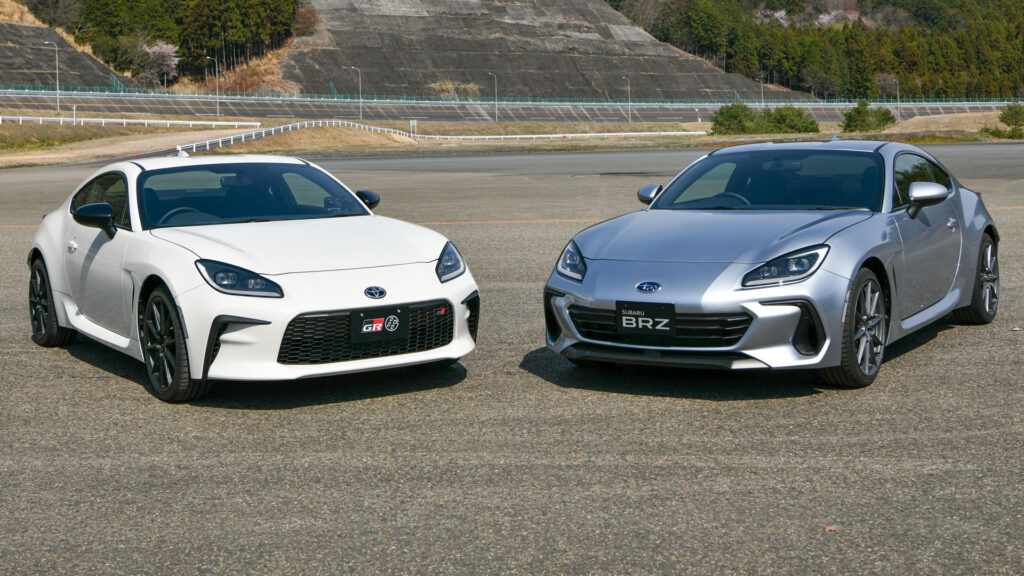
CR Reliability Score: 76/100 | Maintenance Cost: ~$456/year
If you want the most value for your dollar, this Japanese duo is unbeatable. Sharing a platform, the GR86 and BRZ offer a naturally aspirated boxer engine that is cheap to maintain and extremely tough. Consumer Reports awards the GR86 a solid reliability prediction, with annual maintenance costs averaging just $456 per year—cheaper than many family sedans.
At a base price under $35,000, these are the go-to cars for enthusiasts who want to track their vehicle on weekends and drive it to work on Monday without a check engine light.
4. The German Perfection: Porsche 911

J.D. Power Q&R: 91/100 (2026) | Top Performer
Yes, a high-end luxury sports car made the list. The Porsche 911 is an engineering marvel that defies the “unreliable German” stereotype. In fact, the 911 posted the best initial quality score of any vehicle in the 2025 J.D. Power study across all segments—sedans, SUVs, and trucks included.
The flat-six engine is legendary for its durability, and the PDK transmission is arguably the most reliable dual-clutch setup ever created. However, be aware: while the Porsche 911 rarely breaks, routine maintenance at a dealer can still run four figures. It is reliable, but not cheap to service.
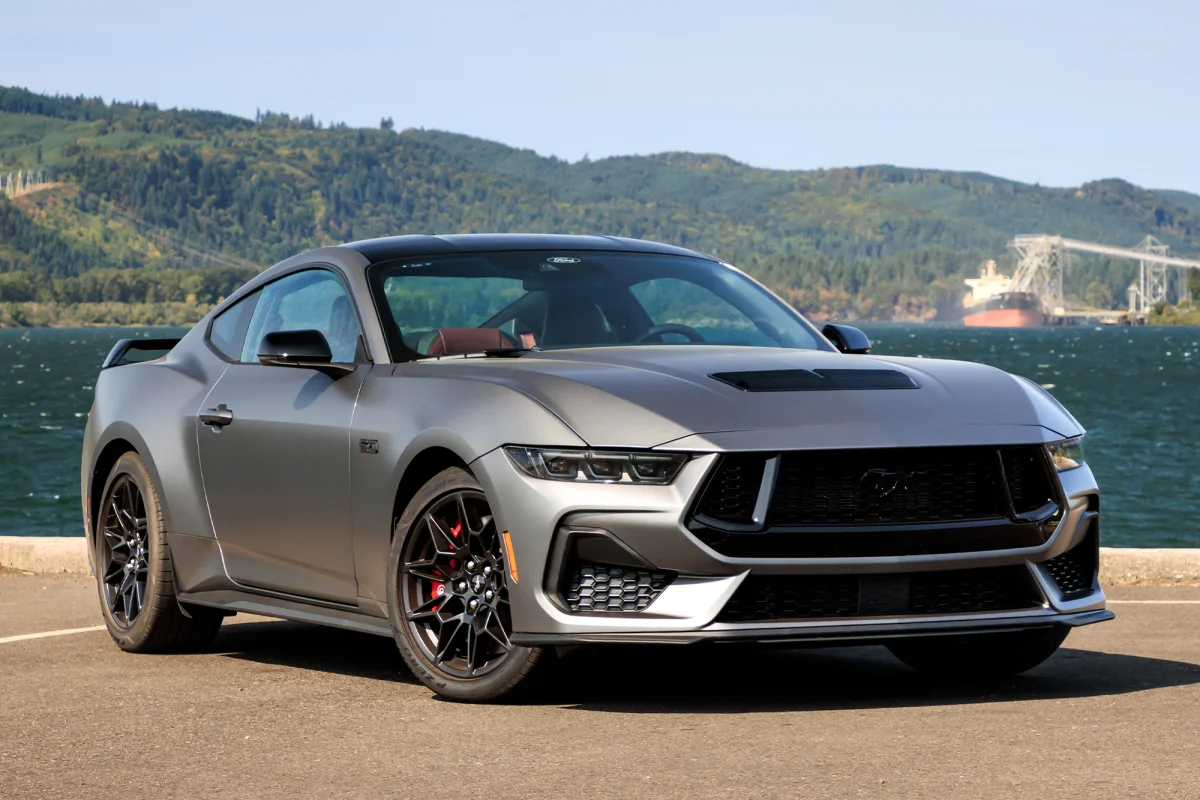
5. The Budget Value: Ford Mustang
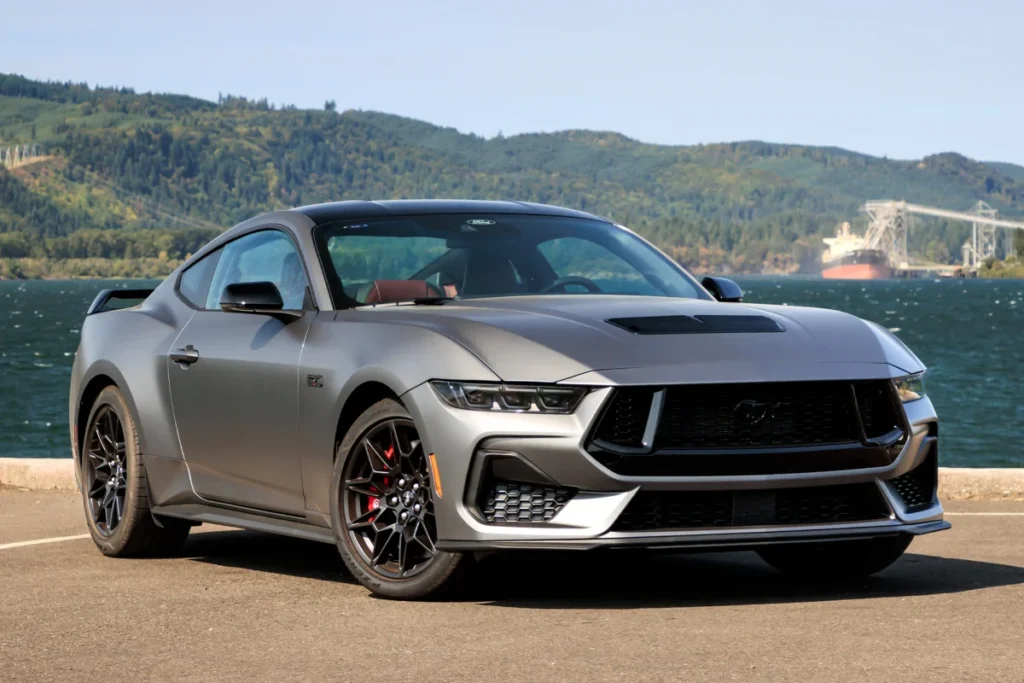
iSeeCars Score: 8.1 / 10 | J.D. Power Score: 84/100
Ford has been building the Mustang for over 60 years, and they have perfected the recipe. The 5.0-liter V8 “Coyote” engine is known for eating up miles with few issues. While the 2025 model saw a slight dip due to new climate control electronics, the mechanicals remain solid as a rock.
Long-Term Ownership: Which Models Last the Longest?
A reliable car is one you keep for a decade. Based on lifespan data and high-mileage thresholds, here is how the models stack up:
- Chevrolet Corvette (Convertible): Average lifespan of ~100,275 miles or about 24.7 years.
- Acura NSX: Surprisingly cheap to keep. RepairPal data suggests annual maintenance costs of only ~$354, which is lower than many non-luxury commuter cars.
- Porsche 911 (Coupe): iSeeCars gives it an 8.4/10 reliability rating and an average lifespan of ~14.4 years.
Frequently Asked Questions
Q: Are German Sports Cars (BMW/Audi/Porsche) reliable?
A: It depends on the model. Porsche generally scores very high (top 5 in most studies). However, BMW and Audi rank in the middle of the pack. If you buy German, avoid the first year of a new generation and stick with proven powertrains like the BMW B58 engine.
Q: Which sports car has the cheapest maintenance?
A: The Mazda MX-5 Miata and Toyota GR86. Because their parts are mass-produced and the engines are naturally aspirated, you won’t need a second mortgage for an oil change or brake job.
Q: Should I avoid used luxury sports cars?
A: Not necessarily. According to iSeeCars, the 2021 Audi TT and 2021 Audi S5 are the most reliable used luxury sports cars under $40k. Just ensure you get a pre-purchase inspection (PPI) to check for deferred maintenance.
Q: What is the most reliable year for the Mazda Miata?
A: The 2015-2020 models (ND generation) are widely considered the “sweet spot.” They feature advanced engineering, the SkyActiv engine, and very few reported issues.
Fun and Dependability Can Coexist
The old days of choosing between a thrilling drive and a reliable engine are over. As the data from J.D. Power and iSeeCars proves, you can have your cake and eat it too.
Whether you opt for the budget-friendly Mazda MX-5 Miata, the all-American Chevrolet Corvette, or the engineering masterpiece that is the Porsche 911, the automotive market is currently full of vehicles that will treat you right for hundreds of thousands of miles.
The “shocking” answer? If we have to pick a single winner based on reliability scores, low repair costs, and longevity, the crown goes to the Mazda MX-5 Miata. It remains the “Honda Civic” of roadsters—simple, fun, and nearly impossible to kill.
Disclaimer: The information provided in this article is for general informational purposes only and is based on data available from third-party sources such as iSeeCars, J.D. Power, and Consumer Reports as of the publication date. Vehicle reliability can vary based on model year, driving habits, maintenance history, and individual vehicle conditions. We recommend conducting independent research and consulting with a certified mechanic before making any purchasing decisions.